Geoff Wood has been storytelling and ecosystem building in Des Moines for over a decade. He shares his story and invites all ecosystem builders to join him in October for SCN’s Fall Summit.
Geoff Wood has been storytelling and ecosystem building in Des Moines for over a decade. He shares his story and invites all ecosystem builders to join him in October for SCN’s Fall Summit.
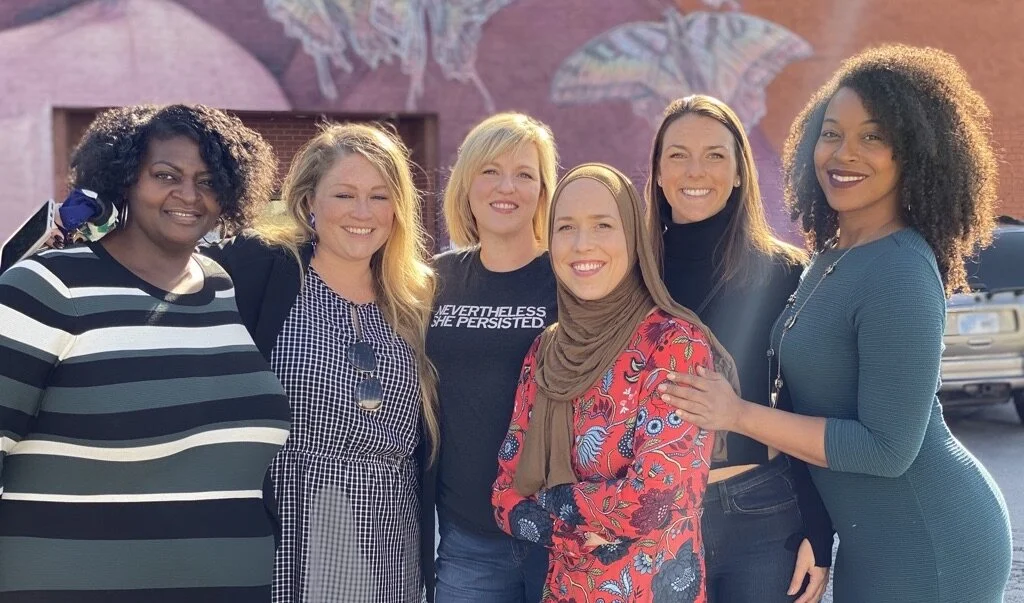
The work of SCN Board member Jenny Poon.
SCN Member Lauren Conway is providing space for women entreprenuers in Kansas City to connect and grow.
SCN Board Member Mark Lawrence working in the Maryland ecosystem to break down barriers for Black entrepreneurs.
In this two-part series, we explore the system barriers that Black entrepreneurs face and look at how two ecosystem builders are working to break them down on the national and local levels.
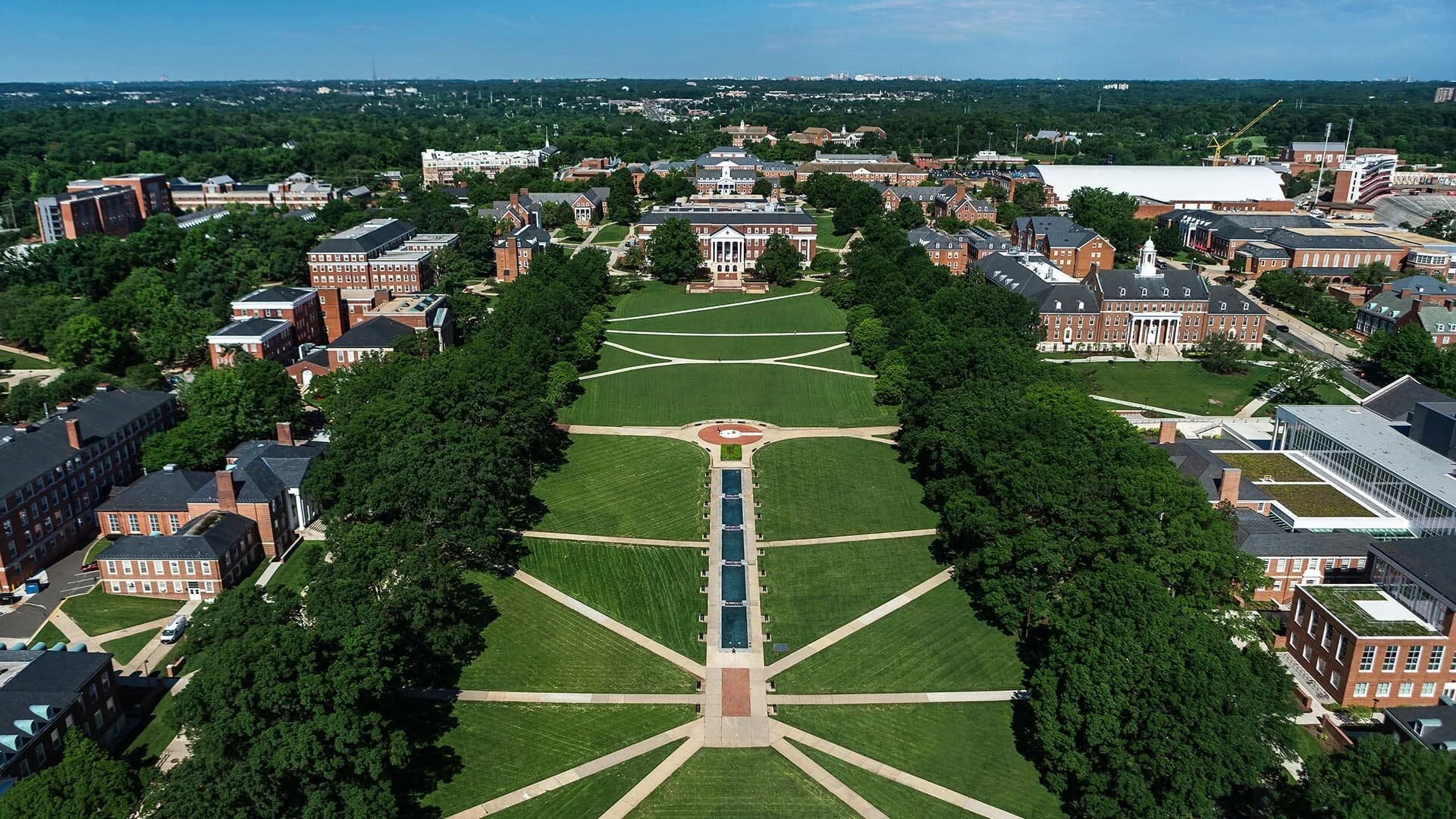
Ecosystem Builders come from a variety of roles within the community - including your local university. Meet Sammy Popat, an ecosystem builder working from within the University setting to build a stronger entrepreneurial community for all.
Ecosystem building is the antidote to polarization and extremism. It requires cooperation, a belief in everyone’s inherent worth and dignity, openness to new ideas, and a demonstrated sense of interdependence. Here is how we as ecosystem builders can have an outsized impact on civic engagement.
Longtime member Jake Hamann is following the playbook for supporting entrepreneurs as we navigate the pandemic.
A look at SCN’s first Virtual Summit.
Darlisa Diltz is the founder of the North Texas Entrepreneur Education and Training Center where she supports minority entrepreneurs in the early stage of business development.
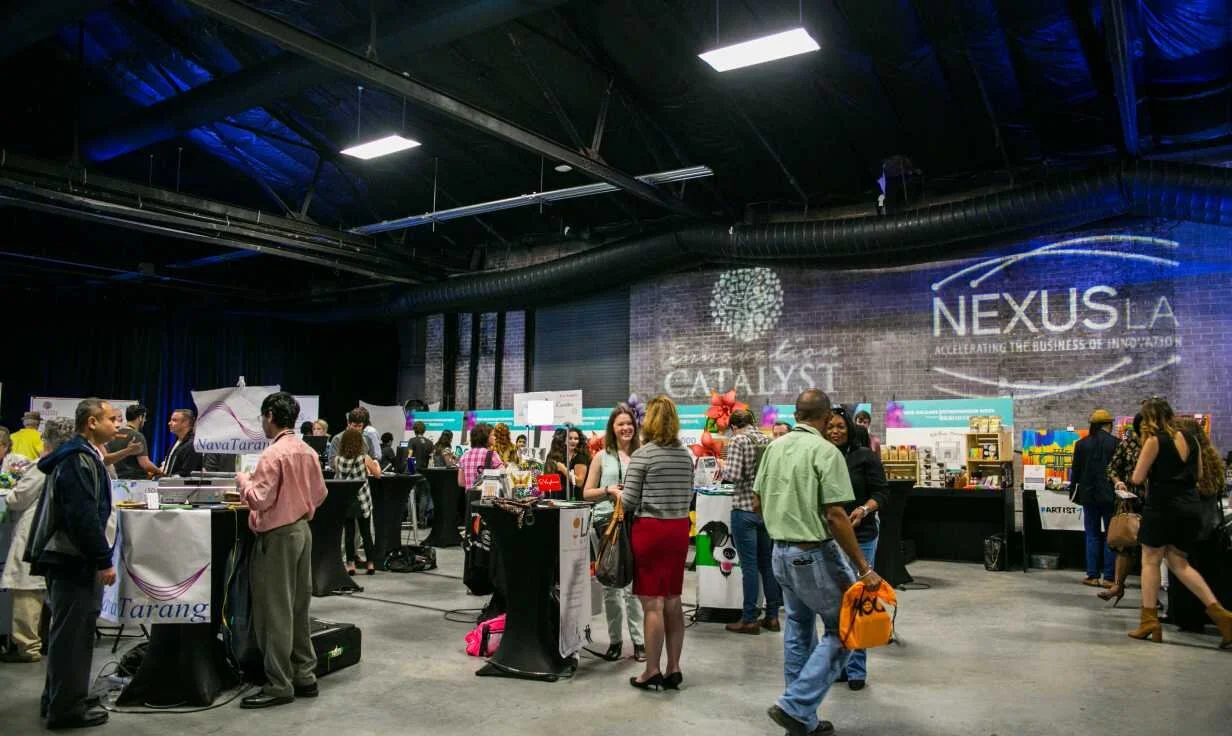
Lauren Castine is the Programs and Events Coordinator at NexusLA. Her latest initiative, RESOLVE, is a virtual event series to open dialogue around creating equity in entrepreneurship.
As ecosystem builders who seek to build inclusive ecosystems, we challenge you to support the Black entrepreneurs in your community in more ways than one. Here's a look at what some work being done by SCN members and some practical advice for other ecosystem builders.
The country has been engaged in protests over the police killings of George Floyd, Breonna Taylor, and others. After 3 months of uprisings, what has changed in these ecosystems? Here's a look at Portland.
How Chris Cain approaches access to capital from a community capital perspective.
The Summer of 2008 was a rough one for residents in Cedar Rapids, Iowa. Heavy rain caused river levels to rise to unprecedented levels. On June 13, the Cedar River crested to its highest level in Cedar Rapids history, 31.12 feet. The floodwaters penetrated 10 square miles (14% percent of the city), impacting 7,198 parcels and dislocating more than 18,000 residents. Essentially, the city was underwater. It was considered the sixth-largest FEMA disaster declaration based on estimated financial public assistance ($848 million).
In 2012, Andy Stoll and Amanda Styron came to town and began economic development work called “ecosystem building,” a term which at that point was not widely used. Andy had just finished a four year exploratory trip around the world to learn what makes communities grow. Amanda was fresh from the Knight Foundation where she worked on projects to develop mid-size cities across the country. They had a vision that ecosystem building work could be a means of recovery and a new model of economic development.
“Andy and Amanda started to lay a lot of the groundwork and created events around the idea of ecosystem development as a strategy. I think it blew the minds of people who didn’t know what to think of it. It took a few years for it to kind of sink in that this is another path to the same thing everybody doing economic development cares about - and in some ways, it’s probably a faster path than traditional strategies,” says Eric Engelmann, who was a downtown business owner at that time.
Once the city bought into the idea of supporting local entrepreneurship and building connections in the community around them, the Cedar Rapids ecosystem started to see entrepreneurial growth. Andy and Amanda were a force in that ecosystem, starting coworking spaces, Startup Weekend events, One Million Cups, and holding events around entrepreneurship.
Eric eventually joined them - leaving the company to found NewBoCo (New Bohemian Innovation Collaborative), a nonprofit with a mission to help build the ecosystem in Eastern Iowa. “We pulled together a small venture fund to invest in startups, we launched an accelerator program, we expanded the coworking space, and a whole bunch of other little pieces came together and ultimately it wound up being operated by this nonprofit,” explains Eric.
All of this meant that the ecosystem was growing and entrepreneurs were being supported after a massive flood had decimated their town. Then, in 2016, there was a big flood scare. The city built a wall that was able to block some of the flooding, but not all of it. NewBoCo, being made up of community organizers, was heavily involved in the city’s response to the flooding.
“There was a spontaneous organization of needs and fulfilling of needs. A lot of the major players who were coordinating were in the startup community or one step adjacent to it. Those people were the ones who knew how to rapidly organize people,” says Eric.
Ecosystem building helped the city rise after a major disaster. Ecosystem builders helped the community organize to rise and respond to a second natural disaster, and now, ecosystem builders are still answering the call to support the community.
Like many of the communities across the world dealing with the COVID-19 crisis, the Cedar Rapids community has a PPE shortage. One of the local hospitals put out a call for face shields and the organizing began. Eric’s company, who sells software services to hospitals, got on the phone to see what the specific needs were and then he took to social media to see who else was talking about it.
“I had a phone call with a bunch of people who were chattering about it on social media and said, ‘What if we all did this together and coordinated things?’”
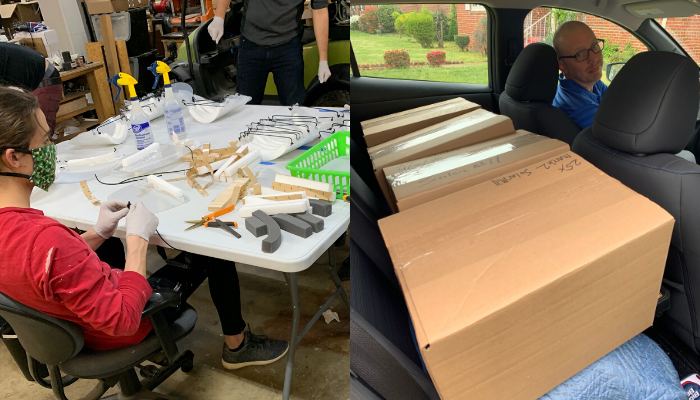
They turned Eric's building into a manufacturing warehouse for face shields and now other things.
“A lot of the startup ecosystem has supported this. My partner in crime is a SCORE mentor, for example. It’s just all of those people, one way or another, solving those problems. To date, we’ve shipped 25,000 face shields,” says Eric. He adds, “That number for a town this size is bizarrely high. [The population of Cedar Rapids is 133,174] Having this network of interconnected people who are by nature problem solvers or one step away from the problem solvers is a huge asset for any community.”
They have pilots who need hours and investors who own planes flying masks across the state, people driving PPE to the hospitals, people making calls, and getting supplies… It’s clear that the Cedar Rapids ecosystem is a tight-knit group and it’s because they discovered the power of ecosystem building as a means to not only recovering from a natural disaster but for thriving and supporting the local economy.
Eric sums it up perfectly.
“I feel like a startup ecosystem has a natural ability to identify and cultivate leaders who can emerge that might not be traditional leaders. It doesn’t mean they got bestowed some title somewhere in business. It’s more about people who have just stepped up and figured out a solution. It [a startup ecosystem] tends to collect those people. That’s really the value of it. There’s true, emergent leadership coming from a startup community that has some inertia. And that’s where that value comes in - through those emergent leaders who can move quickly to solve things.”
Coworking space owners know all too well the amazing collaborations that can happen when you get entrepreneurs together in one space. In fact, one of the first signs of a budding entrepreneurial ecosystem is when coworking spaces start popping up within a community. Coworking spaces act as an accessible entryway into the community and a place to work and network with others. Many of them run programs to help support the development and growth of entrepreneurs while serving as a place for groups to convene, share big ideas, lend a helping hand, and engage in mentorship. Coworking spaces are essential to the entrepreneurial ecosystem and their founders and generally very active in ecosystem building work.
Unfortunately, coworking spaces are one of the millions of businesses being hit hard right now due to social distancing measures. With many coworking space founders in our network, SCN is paying close attention to how members are pivoting to support their spaces, entrepreneurs, and community.
SCN members Grace Belangia and Eric Parker are the cofounders of The Clubhou.se in Augusta, Georgia, a non-profit coworking space founded 7 years ago. The 7,000 square foot space is situated within the Georgia Cyber Center and is way more than a workspace. The Clubhou.se is also a makerspace, code school, startup accelerator, prototyping lab, mentorship network, think tank, and support resource for organizations in communities across the nation that are working to grow their local innovation economy.
But much of that activity has come to a screeching halt due to COVID-19. Like others, The Clubhou.se has taken their programming and meetups online, their code school students do virtual study halls, and they have a Slack channel for their members.
Grace and Eric have been getting creative with their members to ensure they have the support they need. Outside of offering venting/advice sessions, they offer an e-commerce marketplace on their website as a way to pre-sell their services or products.
They’ve expanded the marketplace beyond members to businesses who have been negatively impacted by COVID-19 and need help getting online. If a business wants to sell products on their e-commerce platform, all they have to do is complete a form.
They’ve also been helping members make connections and find ways to fill gaps in employment or lack of income. They’ve even hired members for other contract positions that need to be filled.
“We’re trying to re-skill some of our members who can do things aside from what they were originally doing because they lost revenue in their business,” explains Grace.
“When I think of a funnel, that’s the sweet spot of what we do. We connect those kinds of things in our community.” - Grace Belangia
The Clubhou.se has been serving more than entrepreneurs during this crisis. The city of Augusta has a huge population of healthcare workers who work within about a dozen hospitals, the Medical College of Georgia, a plethora of nursing homes, and the Veterans Hospitals that support the military population at Fort Gordon. The Clubhou.se was approached by someone at one of the hospitals about creating a mask from an open-source design and using small-batch manufacturing to support the healthcare community.
“We’ve always worked to support collaboration between entrepreneurs and makers in our community, and were able to move rapidly when we were approached by the Department of Public Health,” says Eric Parker.
This jump-started a collaboration between The Clubhou.se, the maker community, the Georgia Department of Public Health, and Augusta University called InnovationMesh. The team has created an N95 prototype called “The Augusta Mask” that has been tested by a group of doctors and nurses. They’ve even created a filter that is being mass-produced.
“When I think about what we do at The Clubhou.se, InnovationMesh parallels it. It’s kind of like the perfect storm so to speak because it’s what we tell our entrepreneurs to do. Research the market, find your customer, figure out your raw costs, distribution, and marketing… we’re actually going through all of those things right now,” says Grace.
Their initial goal was to make 500 masks but they are learning that this crisis is going to last a lot longer and so the number needs to increase if they want to continue to support the community. As they scale the project, they plan to contract with some of their members who want/need the work.
“If everybody around us isn’t healthy, then we can't even fulfill our mission. So, if we're able to use our expertise as an organization and help use our communities to help solve these problems this is a good way to support innovation," Clubhou.se President, Eric Parker said.
“We are strong. We are going to survive. I don’t know how long it’s going to take us to restart the economy or how many companies we are going to lose again. We’re going to do it anyhow. In the end, entrepreneurs are strong. We will survive.”
These words were uttered after a long, emotional pause during an interview with Carlos Jiménez, an ecosystem builder in Puerto Rico. Let those words sink in. Because they ring true in every ecosystem across the United States. This is the first story in a series of stories around resiliency we’re calling #EcosystemsRecover.
Carlos Jiménez is the Co-Founder of the Young Entrepreneurship Education System (YEES). YEES has been teaching young people about entrepreneurship since 2001 using tools and methodologies developed in house. YEES helps young entrepreneurs develop their business skills through educational projects, courses, materials and digital tools. They have taught over 40,000 participants in more than 800,000 hours of direct contact.
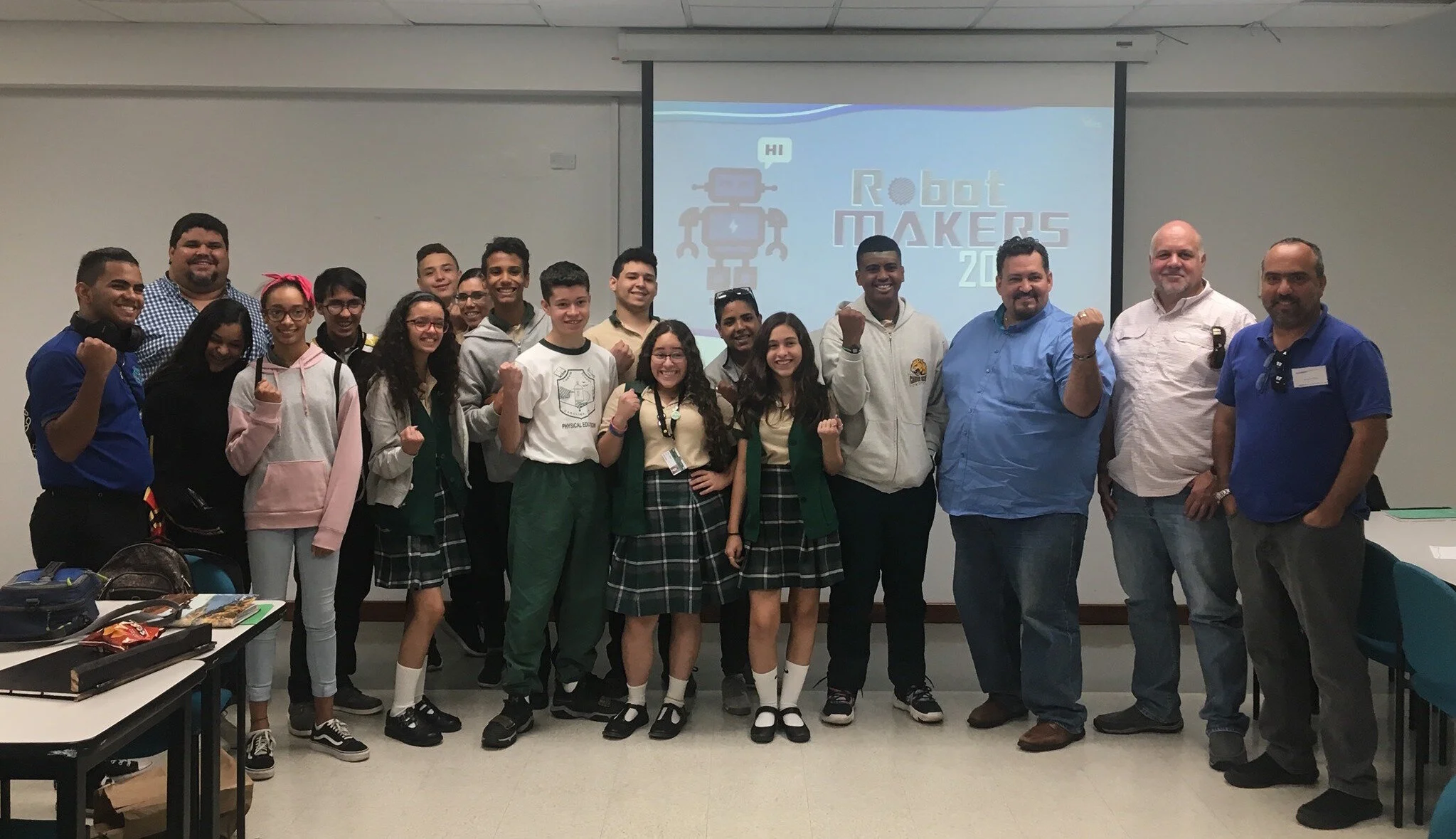
The co-founders of Yees ready to receive 500 + students from the Robot Makers project from the Department of Economic Development and Trade of Puerto Rico.
Around the same time Carlos was growing the YEES organization, there was a study done by Babson University around the low entrepreneurship rate in Puerto Rico.
“That’s when we started to talk about the entrepreneurial ecosystem here,” says Carlos. “We started getting together to talk about entrepreneurship and doing things together in a collaborative way.”
By we he means his organization along with about six other Entrepreneurship Support Organizations (ESOs) on the island. Because of those conversations, the number of ESOs has grown significantly.
“Today, we have 150 - 200 organizations doing the work,” says Carlos.
Despite the large number of ESOs in Puerto Rico, they still have a very low rate of entrepreneurship. But if you look beyond the rankings and consider the island’s history over the last 20 years, you’ll see that their ecosystem has been through a lot of trauma since those ESOs came together. The story that shines through - that we can all learn from - is one of resilience and survival because of the work of their ecosystem builders.
We are about to experience what it’s like to restart our economies after a crisis. But Puerto Rico has actually been through this before. The island has been in an economic downturn for the past 13 years and in 2017 they became the first U.S. entity to file for bankruptcy. Between 1990 and 2001, Puerto Rico’s economy was adding jobs at the same pace as the rest of the U.S. But in 2007, U.S. corporations on the island had a mass exodus after the repeal of a controversial tax break law that allowed U.S. manufacturing companies to avoid corporate income taxes on profits made in U.S. territories. This was a huge blow to the local economy in Puerto Rico but they dug in and looked at ways to recover. Programs were developed, and the ecosystem began rebuilding.
In 2017, Hurricanes Irma and Maria came through two weeks apart. The Category 5 hurricanes decimated Puerto Rico and left hundreds of thousands of people homeless and without power, with 95% of the island’s cell networks severed. While 40% of Puerto Ricans reported losing their jobs due to the storm, many small businesses survived. According to NBC, roughly 36,000 out of Puerto Rico's nearly 44,000 small employers were able to resume operations within a year.
On December 31, 2019, Puerto Rico was once again faced with a natural disaster. This time, from hundreds of earthquakes and aftershocks in the southern part of the island that left thousands in shelters and nearly a million without power. Puerto Rico is still waiting on billions in federal funds from the $91 billion promised after the 2017 hurricanes. Now, the island is facing the effects of the COVID-19 pandemic as every resident on the island has been ordered to shelter in place.
Despite multiple set-backs, the ecosystem is surviving because of the collaboration that has happened among ecosystem builders on the island. Ecosystem builders have the unique ability to think quickly on their feet, to know the players and strengths in the ecosystem, and to connect them to each other to get things done. The ecosystem builders in Puerto Rico have had so much practice collaborating on crisis response, Carlos says they are now “more organized than ever.”
“We were really fast at helping the companies and entrepreneurs. The first thing we did after the hurricanes was call into our friendly people in the states and ask them for electric generators. We took those electric generators to companies that didn’t have any. We did a lot of that kind of stuff.”
Because Carlos and his fellow ecosystem builders have mapped their ecosystem, they are able to be a source for connections and resources. Carlos specifically has been able to connect businesses who need inventory with those who have inventory to share. He’s also connected seamstress professionals who were out of work with major pharma supply distributors looking to distribute masks to those in need.
He has also connected entrepreneurs with distributors who are in need of supplies and brokered a deal to offer them the money up front for materials so that they can make needed supplies like hand sanitizers that they will then sell to the distributor.
“We’ve been focused on getting the market together. The distributors didn’t have any companies distributing to them from the states or from China and now they are buying from locals. Same thing with agricultural products. We have opened the doors to other food distributors who were so small that supermarkets didn’t buy from them.”
Now, because food is not getting in from other places, they’ve seized the opportunity to push for local to local support.
The ESOs have also had success working with their government. They brought their ideas for how to support entrepreneurs to the economic development department and some of the ideas have already been implemented. Some of the things they have done so far include:
Starting an emergency fund from the local government bank, which was closing.
Virtual workshops to help small and medium businesses digitize their inventories.
Creating an alliance with the Brands of Puerto Rico, a small company fulfillment center, to help other small companies distribute to them so they can distribute elsewhere.
Speeding up the payment process for local suppliers.
Carlos has been particularly focused on helping small business manufacturers on the island. He has a great relationship with Toyota from a previous business he ran and has been teaching businesses on the island “The Toyota Way” - which is based on lean manufacturing principles.
As you can see, despite the multiple setbacks to the economy, the ecosystem continues to grow and get stronger. After each crisis, it has recovered and matured in the process.
“We still don’t have the numbers. I know we will get there somewhere in the future. Right now, we have rethink everything we have done. Nothing is going to be the same. We know that. Everything has to be newly rebuilt. Redone. Reset. We are resetting so often that I think now it’s part of the way,” Carlos says. He adds, “We’ve been so damaged already I don’t know that you can be more damaged than this.”
As you can see, Carlos is fully experienced in what it’s like to recover. Here is some advice he’d like to share with fellow ecosystem builders doing the work.
1. Don’t lose sight of what you’re doing. Focus on helping other organizations and supporting entrepreneurs.
2. Be a connector and encourage businesses in the ecosystem to work together.
“That’s essential,” Carlos says. “You have to be a connector in these times.”
3. Create a list of the resources available. After the first natural disaster struck, the ESOs in Puerto Rico mapped the ecosystem so that there was one, centralized resource with programs, support organizations, grants, etc. In addition to that, they have also created a list of things that are relevant now.
“We created a list of everything that’s going on from funding to conferences to different things that everyone is doing. [...] If someone calls and asks for resources, this is what we send.”
4. Share stories. Call other ecosystem builders to see what they’re doing and offer to share your successes and struggles.
“This is part of it. [Meaning the very call we were on] This is entrepreneurial ecosystem building. Just calling to see what we’re doing and sharing what others are doing is helpful,” Carlos says.
Amid the small business closings and employee furloughs plaguing communities, there’s another growing problem gaining traction across ecosystems: the shortage of PPE supplies for healthcare workers. Hospital workers are forced to reuse masks, make their own masks, or go without protection while treating patients who have COVID-19 or could be a carrier of COVID-19.
Ecosystem builders have been stepping up to serve as the connecters among various players who are helping solve these problems. SCN encourages you to check with the makers, designers, and manufacturers in your community to see what they may already be working on. Likewise, storytellers, funders, non-profit leaders are also helping find the resources needed to create solutions.
One ecosystem builders that has been leading the charge to fix that in her community has developed a playbook for others to do the same. Larkin Garbee, who is a founding member of Startup Champions Network and previously served as Board Chair and then Interim Executive Director, has been behind the scenes sourcing materials and working with makers to develop a supply chain, assembly process, and repeatable solution.
It started by reaching out to the local maker community, where she connected with Indie Lab to offer up her space as a worksite for PPE production and COVID-19 testing and then to the “RVA Maker” group to support efforts around face shield production. Larkin and a few makers who were already trying to support healthcare workers collaborated to find the right prototype. They also brought in a local brewery owner experienced in lean manufacturing. Why a brewery? Breweries have to maintain strict sanitation standards to keep wild yeast and other possible contaminants out of the brewing process.
“We’ve collaborated with entrepreneurs and makers to develop a process where 10 volunteers can make 1,000 shields a day without technical knowledge or specialized equipment at a material cost of approximately $1.50 each, depending on fluctuating material costs. This open-source process puts life-saving protection into the hands of at-risk medical personnel while federal and private resources catch up to the demand,” says Larkin Garbee.
Once the prototype was finalized and the materials were sourced, Larkin began reaching out to other communities to replicate the process. Wilmington, North Carolina where her sister and brother-in-law work as doctors, was the first place she targeted. She found a Wilmington Mom's Facebook group and put out a call for volunteers. Robyn Thomas answered the call and is now leading the charge in her local community. Robyn has already secured a local brewery as a partner and is recruiting donors and volunteers.
Larkin reflects on how her ecosystem builder skills have prepared her for this moment. “I have come to realize that every skill, every connection, every volunteer effort I have done prepared me for this moment. People are showing up in droves and willingly answering every call for support. We are collectively stitching together resources at an unprecedented accelerated pace. We are sprinting a marathon of 14,16, and 18 hour days. Everyone is pushing themselves a little bit harder-- but our push is nothing compared to what our healthcare workers and frontline defenders are doing. At this moment, I could not be more proud to wear my badge as an ecosystem builder.”
We are excited to be partnering with her organization, GOOD WORK Society to support the GOOD HEALTH Task Force. The GOODSHIELD1000 playbook is a streamlined process complete with guidelines for anyone to replicate local face shield production in their ecosystem. The materials are already sourced and can be drop-shipped to a chosen location. There are 6,300 hospitals and 6,000 breweries across the United States. Breweries already have a workforce of trained employees who are skilled in the manufacturing process and trained in sanitation. All it takes is a task force leader to recruit volunteers, handle logistics, and raise funds. Supplies will be drop-shipped to a brewing partner where they can be sorted in a safe environment. Volunteers can pick up the box, assemble the shields, and ship to local medical facilities.
Those interested in starting a #GOODHealthTaskForce to produce face shields should reach out to Larkin at the GOOD WORK Society and she can help you prepare your community to protect those who protect us against this virus. If you are already mounting your own effort, she is also interested in aligning to share best practices and form collaborations to accelerate learnings and deepen the impact. Also, please let us know so we can share your story, too!
Right before many communities shut down because of COVID-19, a group of SCN Members gathered in San Antonio for our 2020 Spring Summit. The theme was “This Is What Collaboration Looks Like.” As we’ve highlighted in previous blog posts, the San Antonio ecosystem is an extremely collaborative one. Every organization works together to support entrepreneurs and help grow the ecosystem. Reading about it is one thing, but experiencing it in person was truly powerful.
It feels like the summit was so long ago, but the lessons learned during our 2.5 days together are extremely relevant now in this time of crisis. As we think back, we are grateful for the gift of time in person and the chance to brainstorm with ecosystem builders about how we should respond to the massive shifts happening in our communities. Here are some lessons learned that are relevant now.
Practicing inclusive entrepreneurship means everyone interested in starting a business has access to tools and resources to do so. In San Antonio, several Entrepreneurship Support Organizations (ESOs) help increase access by co-locating their offices in the public library.
LaunchSA’s mission is to connect entrepreneurs to resources through multiple programs. Their office, located in the downtown Central Library is home to other support organizations whose doors are literally open to anyone who needs help.
We heard from 10 different ESOs that day and learned how they all collaborate to lift the entire ecosystem up through monthly Entrepreneur Support Organization luncheons. While going to a physical space is not possible right now, one takeaway to be gleaned from this is the ecosystem's ability to meet people where they are and provide a one-stop shop for access. That could easily translate into an online community forum, Facebook Group, or website.
“There’s a blueprint for a kid that wants to play basketball or football. There’s a blueprint from PeeWees to the pros. But there really is no blueprint for the technology space in terms of how can we access the kid at age 12, age 13 and continue to keep them under your wing and garner the resources you have around them to help them get to a professional level.” - Kyle O’Conner, Founder, Startup Nest
Intercultural Unity (ICU) is a unique offering at SCN. Each Summit our ICU Committee creates a session to specifically focus on Diversity, Equity, and Inclusion (DEI). Our ICU team brought us a powerful session on creating change and culture shifts by listening and being intentional. The session was preceded by an article co-authored by Paulo Gregory and Jenny Poon on Curb Cutting. The piece highlights the ripple effect cutting curbs has had on communities. While the solution was originally built to make the sidewalk more accessible for those in wheelchairs, others also benefit. Parents with strollers, workers pushing heavy carts, business travelers with wheeled luggage, and everyone benefits from increased accessibility.
The Curb Cut Effect is a metaphor to show that adaptations designed for one specific, often statistically small group create benefits for the broader community. As we begin to do the work of supporting entrepreneurs in our ecosystems, the Curb Cut Effect should be applied. Is the support we’re providing accessible to everyone? Are we designing for the group of entrepreneurs who traditionally have the least access? If we build resources and programming for specific communities, everyone benefits.
Another great tactical idea came from SAGE. The organization brings in professional grant writers to offer support to people in the community who need guidance writing grants for their business or organization. Grant writing and business loan navigation are crucial right now.
During our ICU Case Study panel, ICU committee member Jenny Poon shared how she transformed her coworking space from being 90% white males to being more diverse and reaching a 50/50 gender ratio. This was achieved first by showing up in other spaces and listening and then by making significant and intentional culture shifts. You can read about her specific tactics here.
One of the things she pointed out was the tendency of the media to reach out to communities they know for stories and expert opinions. More often than not, those communities are white. Right now, stories of strength and resilience are as important as stories that show the struggle every small business owner is going through. How are we making sure the voices of ALL entrepreneurs are being heard? How do we help them tell their stories?
In our Diversity & Equity in Innovation panel, we heard from three ecosystem builders in the San Antonio community leading the charge to help bridge the digital divide. As we all scramble to adjust to a remote work life, the digital divide has been amplified by those it affects. It’s a serious issue we are going to have to solve in order to ensure equity in our ecosystems.
Closing the gaps goes beyond getting the technology in their hands. La Jauna Chambers Lawson of Tacit Growth Strategies reminded us that it’s important to consider addressing “all three legs of the stool.” Having a device, having access to use it, and having the knowledge to be able to use it.
You also have to address the fear and inherent distrust that comes with technology. Many of us come from a place of privilege where privacy rights don’t matter. But they matter for others who don’t have the privilege of not caring about who’s watching you. How do we begin to build trust so that our communities are not left behind in this completely virtual world we’re living in?
The City of San Antonio is tackling digital inclusion by allowing residents and community members to solve access challenges and democratise city services. This GovTech pipeline has brought diverse approaches to the table and helped cultivate a sense of community when it comes to problem solving.
The theme of collaboration played out in many ways during the Summit. On Day 1, we used Human Centered Design to solve civic problems thanks to a process created by The Impact Guild. Each group was given three random resources and a choice of three community problems to solve: voter registration, walkability, and reading proficiency. We brainstormed, partnered, and collaborated to serve up some very creative solutions with very limited resources!
On Day 2, we got a lesson in listening, communicating, and asking the right questions through Bunker Lab’s CEO Circle exercise. That night, we dug into some real work by brainstorming ideas and solutions to take back to our communities to support them during COVID-19.
The ultimate lesson to be learned here is this: when we let our guards down and allow ourselves to collaborate to achieve a common goal, we lift everyone up and we all win. This quote from Charles Wooden about the San Antonio ecosystem is still resonating.
“Our ecosystem is like the San Antonio Spurs. No one person typically rises ahead of another. It’s a team effort. Everybody serves their role within the team in order to make it a winning dynasty. Even competitors seem to find a way to work together here and share successes. We see that play out within our four walls, we see that play out throughout the city limits. When you have companies working together and individuals willing to break down barriers and work to connect them to other successful opportunities it’s really empowering to see.”
This is a lesson we take away after every summit but it’s an important one right now. We need Ecosystem Builders now more than ever. As an organization whose mission is to support ecosystem builders, having a room (or Zoom meeting) full of you is powerful. Each and every attendee did work to pull down their walls, get vulnerable, ask hard questions, and offer solutions. As a result, we brainstormed COVID solutions, we helped each other feel heard and empowered, and we experienced physical togetherness right before we were unable to do so.
We want to thank Krista Covey and the team at Velocity TX for putting on a great Summit! We’re also grateful for our other hosts, LaunchSA and Geekdom for providing space and thought leadership.
by Kristin Leutz
All hands in … VIRTUALLY
There is no doubt that our local ecosystems are changing very rapidly as a result of the COVID-19 crisis. We are reaching out to SCN members currently to learn more about how you are helping your community support both traditional business owners and startups. Together, SCN members will help our ecosystems work through the challenges presented by this crisis.
Please respond to this short survey to help us map how you’re building resources in your community.
Entrepreneurs have deep resilience and know how to respond to challenges in innovative ways. It is critical to support them as we will need their brains and creativity now more than ever to help our local economies and communities rebound from injury in this time of crisis. As we see the impact of COVID-19, many small local businesses are already reeling or closing. Large companies are scaling back in a variety of ways. Startup support organizations are pausing some traditional programs like in-person accelerators and mentorship meetups.
Entrepreneurial ecosystem builders have already begun to unite to ensure that our communities understand the impact of this health crisis on our businesses. SCN is committed to sharing ways that we’re working quickly to convene and to distribute resources as they become available to entrepreneurs from government, philanthropy and the private sector. Please visit our Facebook page to connect with resources and complete our survey to help us gather data.
We also can recommend some best practices we’ve already seen some ecosystem builders adopting to help the COVID-19 response.
Convene your local entrepreneurship support organizations (ESOs) via chat. You can help create a knowledge repository and action team for your local ecosystem. There are many resources that are coming online for small business and other business support. Your ESO’s know the needs of local entrepreneurs. Ensure that their voices and needs are built into solutions being created. Include folks like the local Chambers and economic development teams in the conversation.
Call your local and state legislators to offer data and advice.Many state and local reps and mayors need timely information on the real impacts expected by local businesses. As an ecosystem builder, you have your finger on the pulse of sources of this data. As state/local loan funds or other relief funds are created, you can help ensure that solutions are created in ways that are inclusive, effective, and do not create any potential harm in communities.
Advise philanthropists on ways that private philanthropy can support the existing government or public efforts to help businesses and workers. Most rapid response philanthropic efforts will aim to focus on meeting the basic needs of populations disproportionately affected by COVID-19. There will likely be short and long-term supports offered for nonprofits and for those they serve. Some foundations and funders may be willing or able to help create funds or loan capital to help businesses recover, but they will need subject matter experts like ecosystem builders to help ensure their impact is achieved.
Offer or curate virtual resources for entrepreneurs. As face-to-face events and support may be postponed or suspended, find the folks who are pivoting to offer virtual resources and make sure that local entrepreneurs can easily access those offerings.
SCN will keep members supported through this time with more frequent virtual offerings. We will be hosting a webinar for members next Tuesday at 3 pm CST with Victor Hwang. Register here. Please note, the webinar is limited to 100 people so register early!
Given the pandemic, many entrepreneurs are struggling when our nation needs them even more. Startups generate critical income for people. They provide necessary goods and services. They diversify our supply chain. Entrepreneurship should be a national priority, but it is virtually absent from our public debate. Victor is launching a nationwide grassroots advocacy campaign to make entrepreneurs a top national priority and build a new civic infrastructure for policy change at all levels.
Please keep your eyes on our email and social media as we announce more opportunities to stay connected to fellow members around the country. We value our members and our connections now more than ever. We encourage you to find comfort and strength in one another. We will rise through this together and lift each other up.