
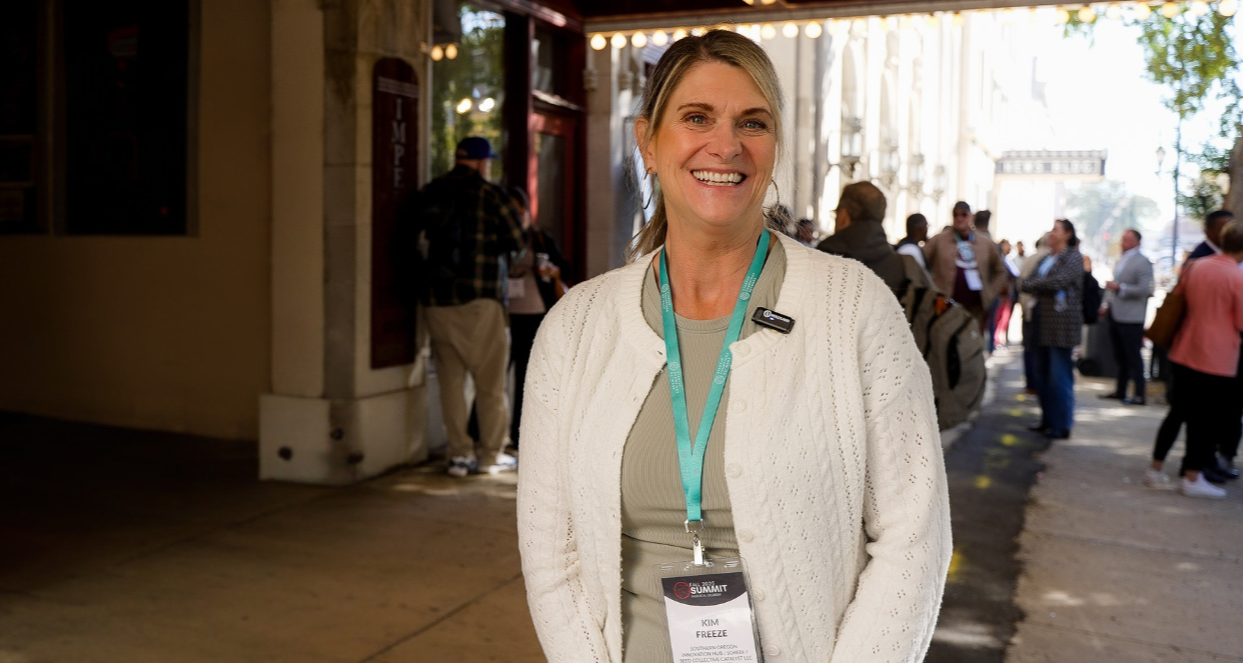
We are thrilled to welcome Kim Freeze to the Startup Champions Network Board of Directors. A clinical psychologist turned ecosystem builder, Kim brings a rare and powerful combination to SCN: deep roots in rural entrepreneurship, a passion for food systems, and the energy of someone who still wakes up at 5 AM to research emerging economic development trends.
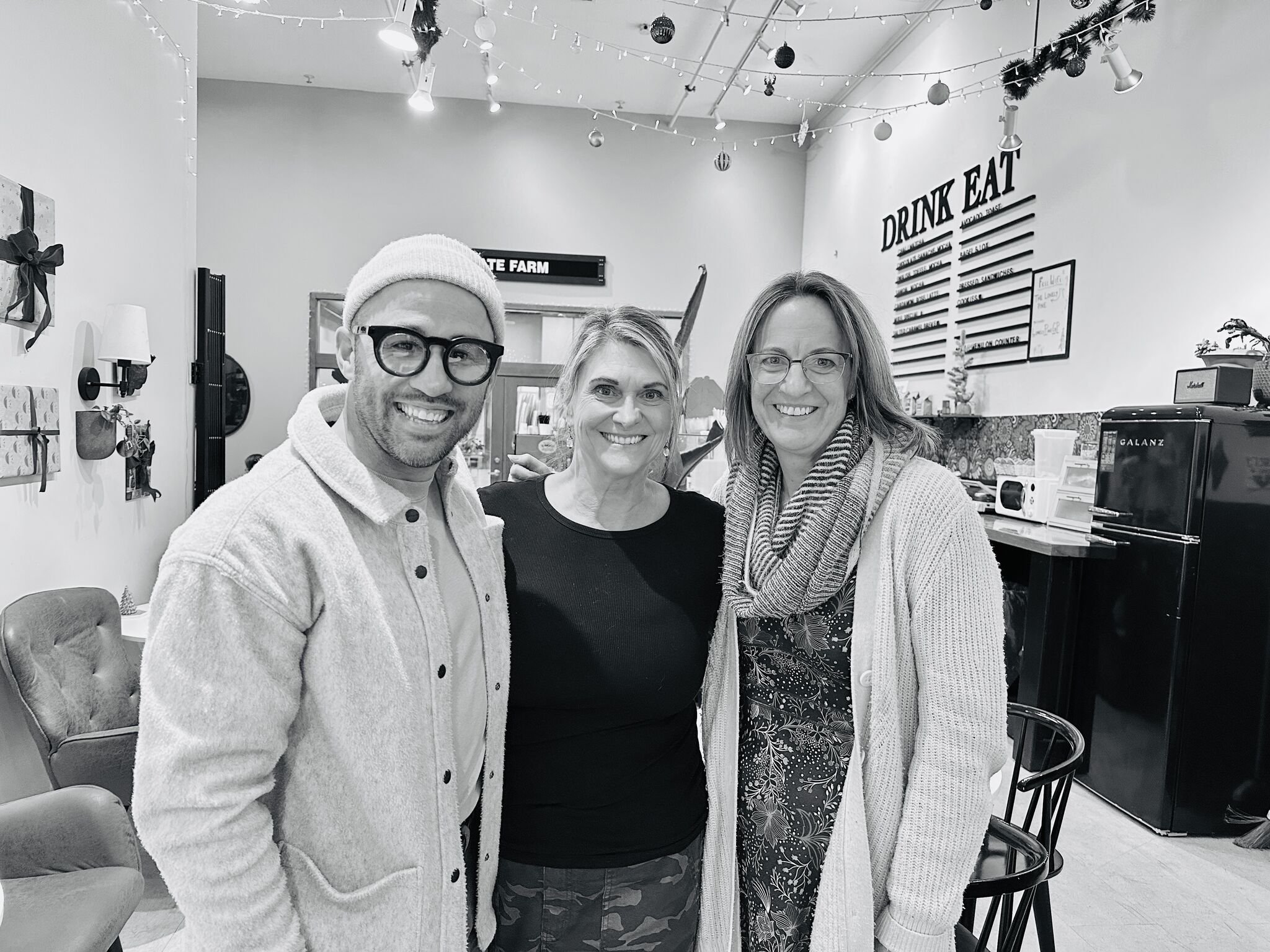
Kim is based in Southern Oregon, where she leads ecosystem building work as part of a statewide initiative supported by Business Oregon and the Business Innovation Council. She also teaches psychology, runs a nonprofit, and is in the process of building a collaborative coworking and maker space complete with a community co-shared kitchen.
From California to the Cascades
Kim's path to ecosystem building didn't start with a job title. It started with being an entrepreneur herself, back in her early twenties, when she was already building businesses and helping others do the same. You know, before anyone was calling it "ecosystem building."
Her most formative chapter came in California, where she ran a makerspace and coworking center that evolved into something she still describes as a mini co-shared food grade manufacturing facility with a commercial kitchen at the center of it all.
"Out of all the companies I had, it was my favorite," she said. "I feel like a lot of times our farmers and producers are the least supported."
That experience planted the seed for what she's building now. When Kim moved to Oregon to serve as a dean at Rogue Community College, she called a friend at Southern Oregon University on day one. "I said, 'Hey, what do you think about joining me and building an ecosystem in Southern Oregon?' That's how it started. That was 2019."
Building in the Gaps
The Southern Oregon region stretches across two counties and 11 jurisdictions, from the larger population center of Grants Pass to tiny communities of 400 or 500 people — some considered "frontier" by federal standards — scattered along river valleys and mountain corridors.
When Kim first started doing this work, she noticed a consistent pattern: the same people at the same tables, a lot of silos, and a widespread assumption that ecosystem building was something that happened in bigger cities.
She pushed back on that assumption by simply showing up.
"I literally was out in the community for 14 hours one day," she recalled. "Williams is way, way out there. And when I started driving around, going to all the communities, I realized that they often feel left out and ignored — but they're so scrappy. They're really trying."
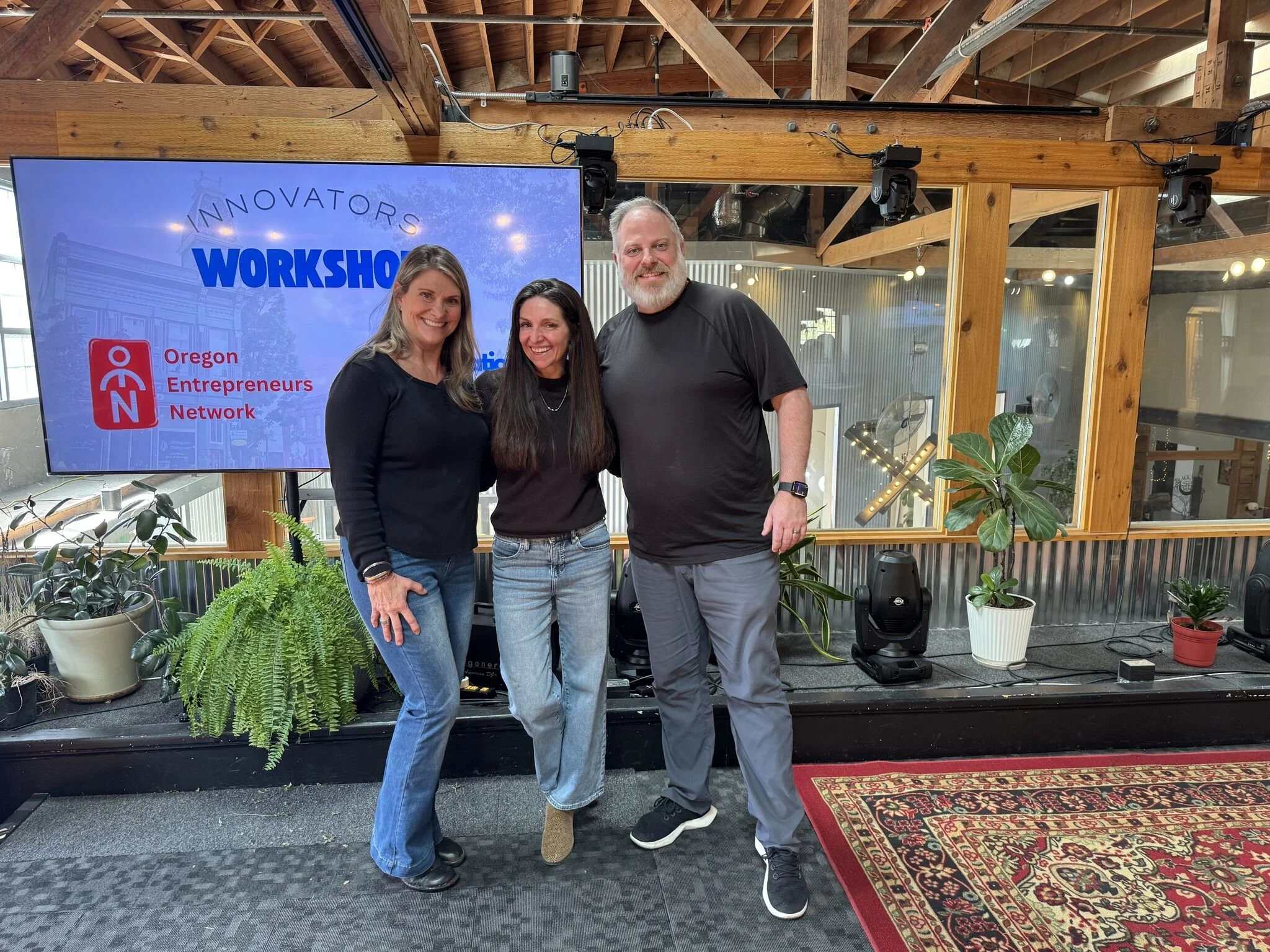
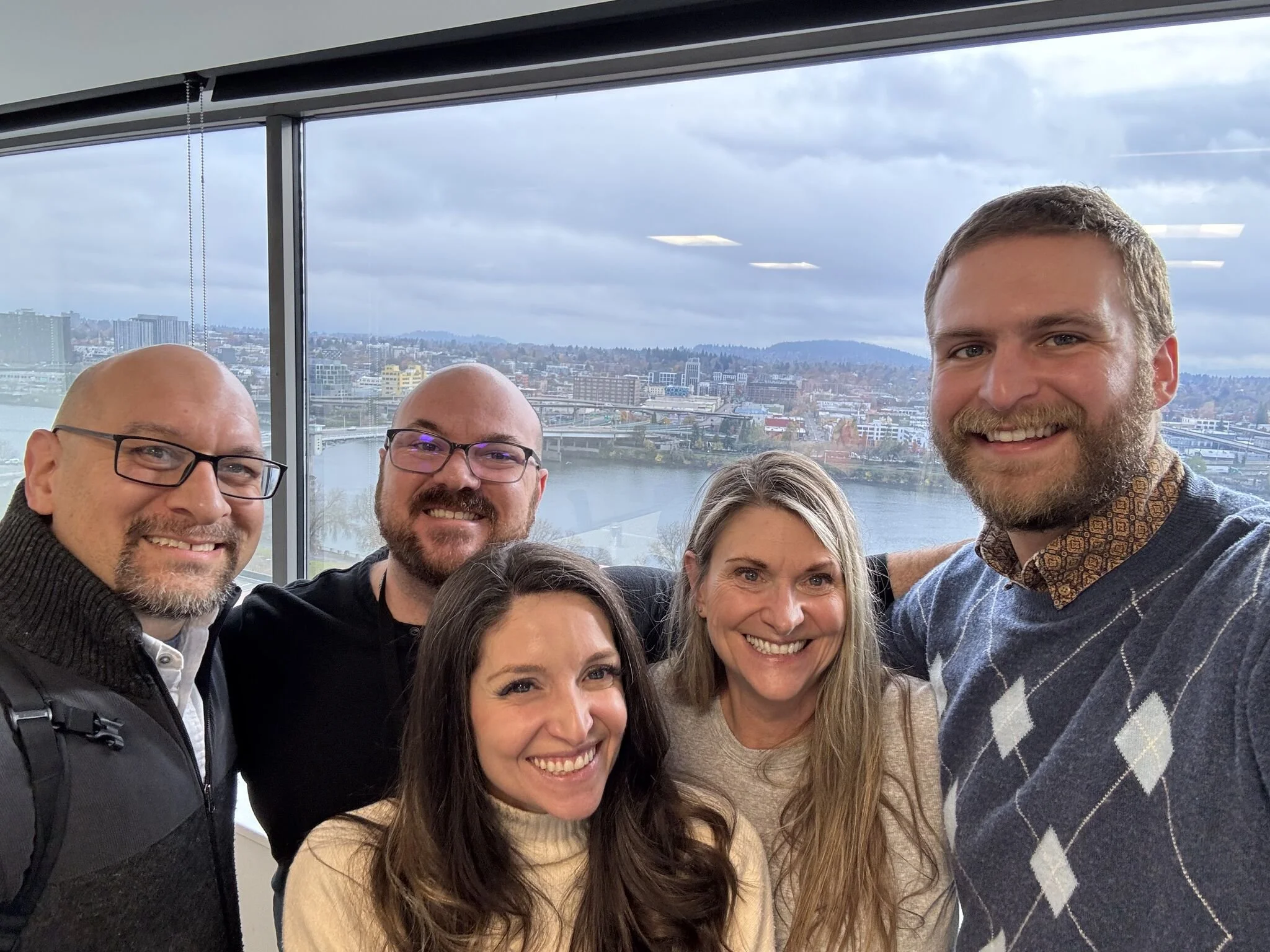
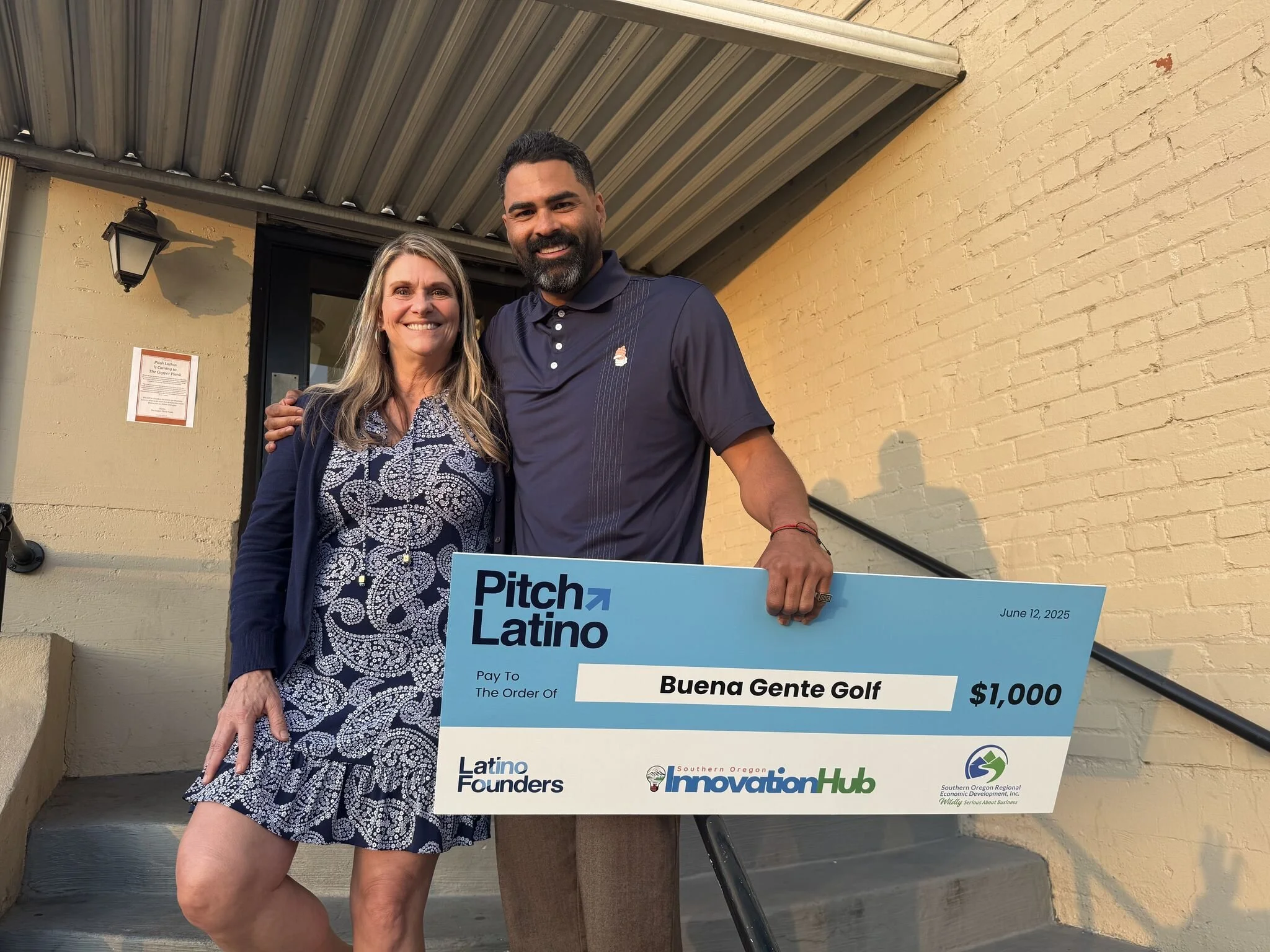
She developed what she calls a "champion system," finding one or two community members in each small town to serve as local anchors — ideally someone with institutional history and someone currently active on the ground. The model has taken root. In Cave Junction, for example, local champions have secured a grant for an incubator space that will link with Kim's hub in Grants Pass.
"I don't know, it's not me doing the work," she said. "I just show up. It's them becoming active."
For entrepreneurs in these communities, the challenge is rarely a lack of ideas. "They got this idea in the mental garage," Kim said, "but they don't know where to take it. So my work is really like finding those people and how do I help them bring that to fruition and launch."
Kim loves watching founders go from concept to launch while staying in the communities they love because they become economic drivers where they live, rather than leaving to find opportunity elsewhere.
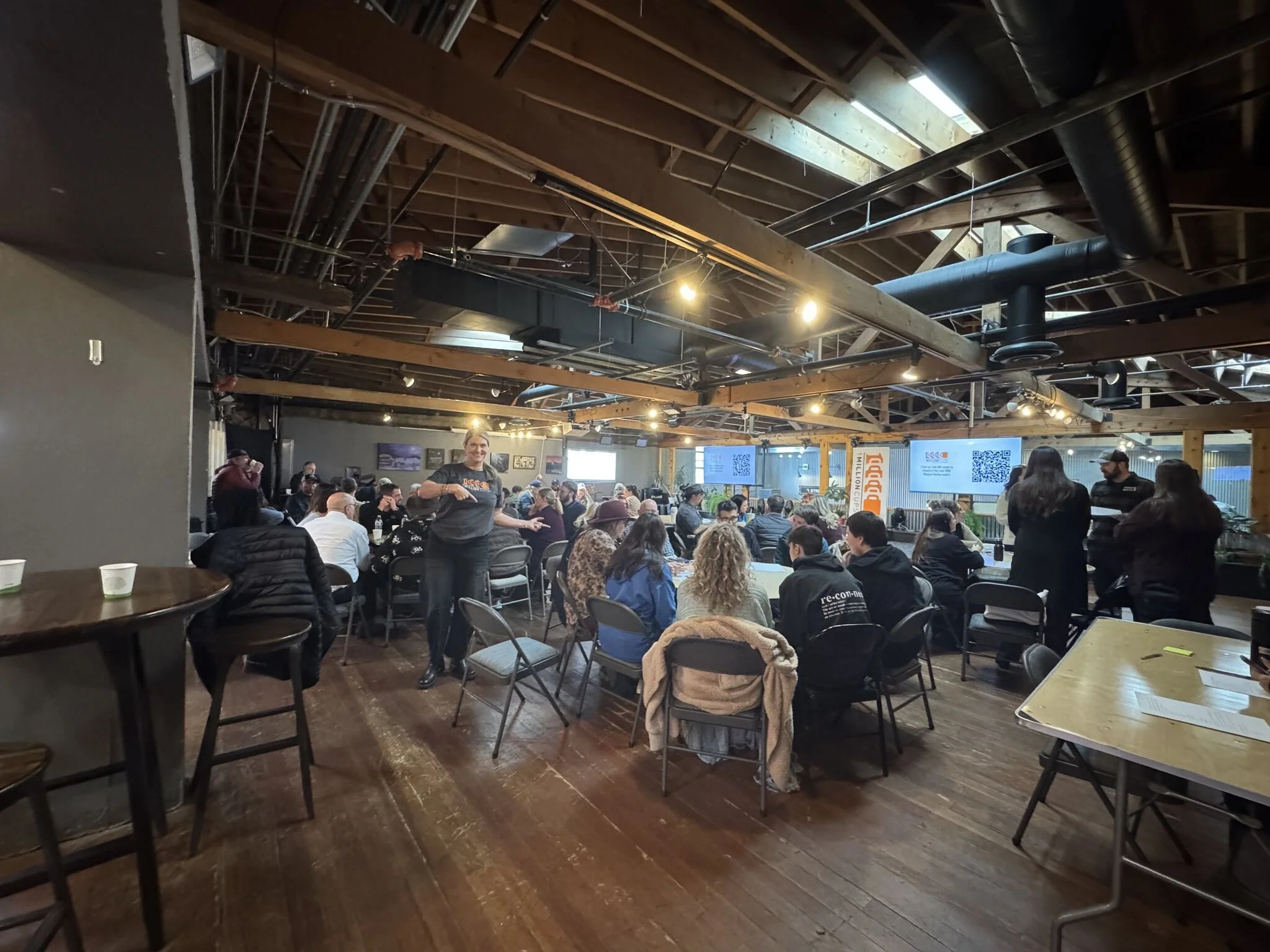
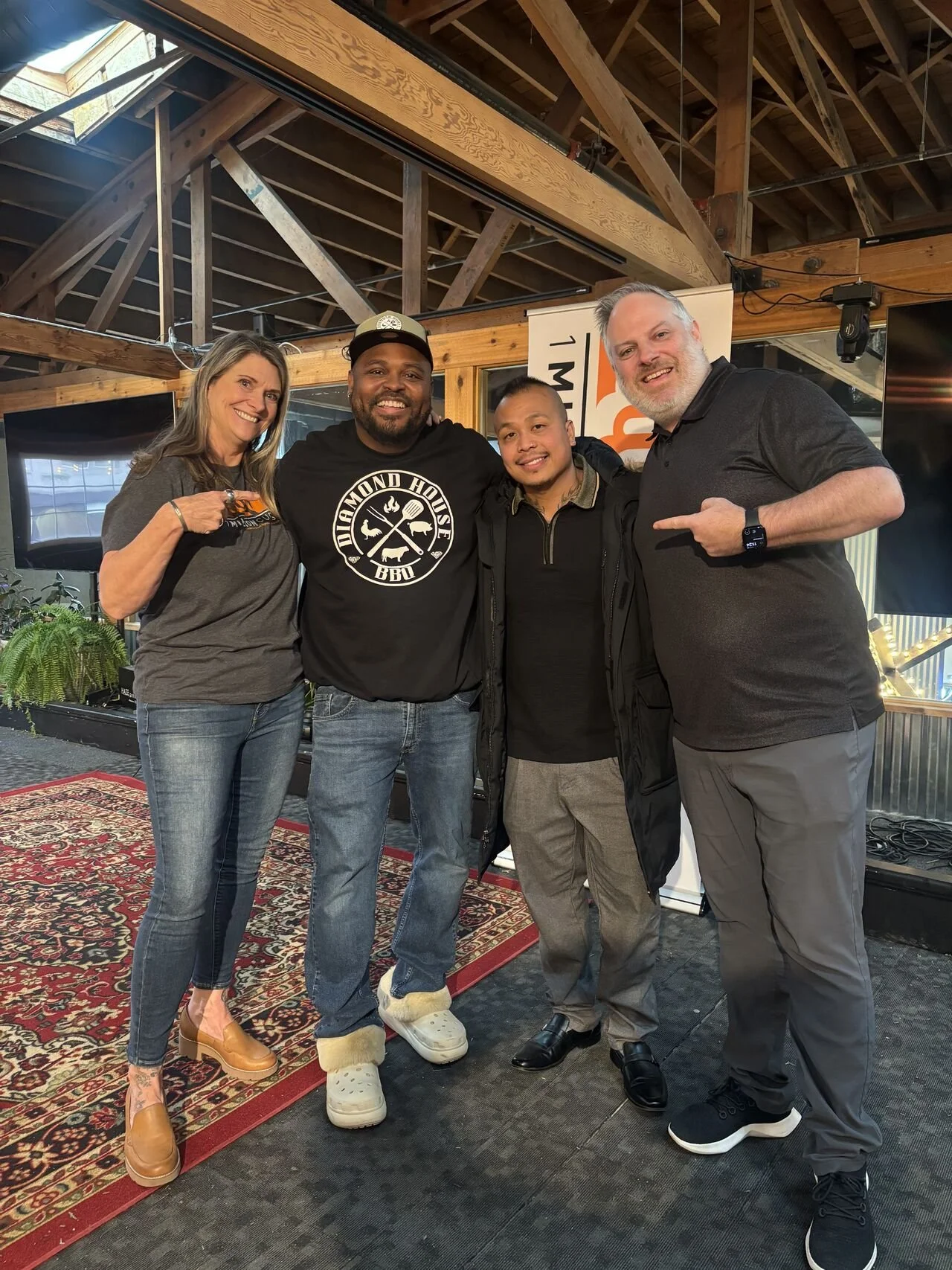
One of her most tangible wins has been One Million Cups (1MC), which now draws 60 to 80 people weekly. "It's a space where people are starting to really collaborate and connect and help entrepreneurs, which was not in existence in our community or region before."
A Food Systems Visionary
Ask Kim about food and you'll quickly understand why she considers it a calling. She's spent years advocating for the food entrepreneurs, farmers, and producers of Southern Oregon, and in 2024 she achieved something that took a full year of meetings, research, and coalition-building: getting Southern Oregon designated as a food hub.
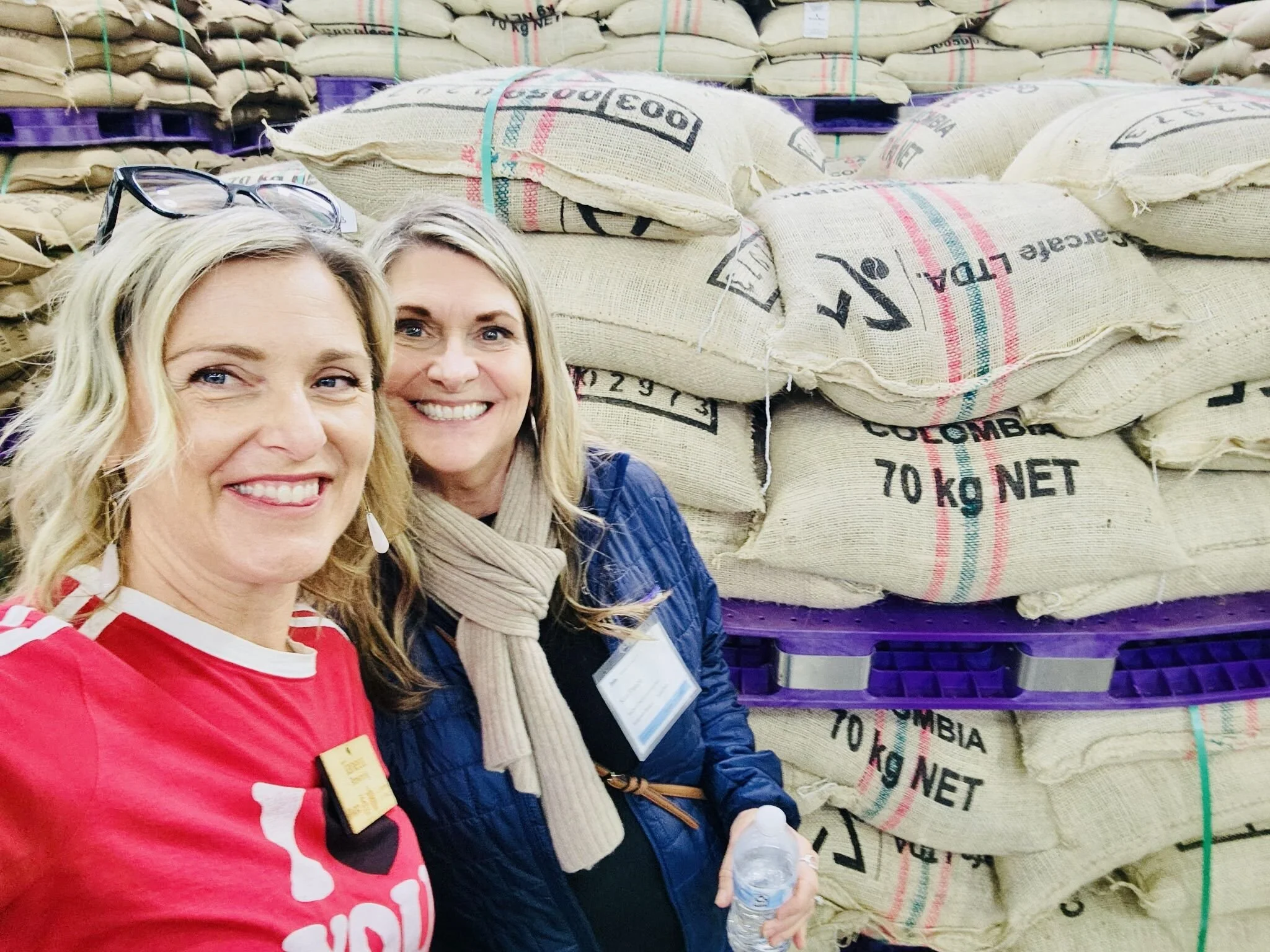
The backstory: Kim pulled up a map of food hubs across Oregon and noticed a striking gap. "From Eugene down to the coast, over to southeastern Oregon — there's just nothing," she said. "There's all these stars across the state of Oregon, but we don't have a star."
So she went to work. She met repeatedly with the Oregon Department of Agriculture, gathered local organizations, and made the case that Southern Oregon had the producers, the culture, and the infrastructure to support a food hub — she just needed the co-shared commercial kitchen to anchor it.
Now they have their star on the map, and with it comes funding, technical assistance, and formal recognition for a food system that was already producing remarkable things. Think Cascadia adaptogens and regenerative products, local bitters distilled from juniper berries, fermented foods, hot sauces made with regional peppers, artisan cheeses — including offerings from Rogue Creamery, which has won global awards for its blue cheese.
A food festival may be on the horizon for fall, born out of a recent conversation with local restaurateurs and cart rice market vendors who all landed on the same conclusion: Southern Oregon's agriculture deserves a celebration.
Why SCN
Kim found her way to SCN through longtime ecosystem builder Jason Schneider, who told her she needed to attend. When she did, she was sold immediately.
"It's super friendly," she said. "It's got this feeling of grassroots — it's homey, it's community. It's very different from other boards I'd been involved with that were just very formal." She was looking for a board where she could make a genuine contribution, bring a perspective that wasn't already at the table, and learn from people doing policy and advocacy work at a national level.
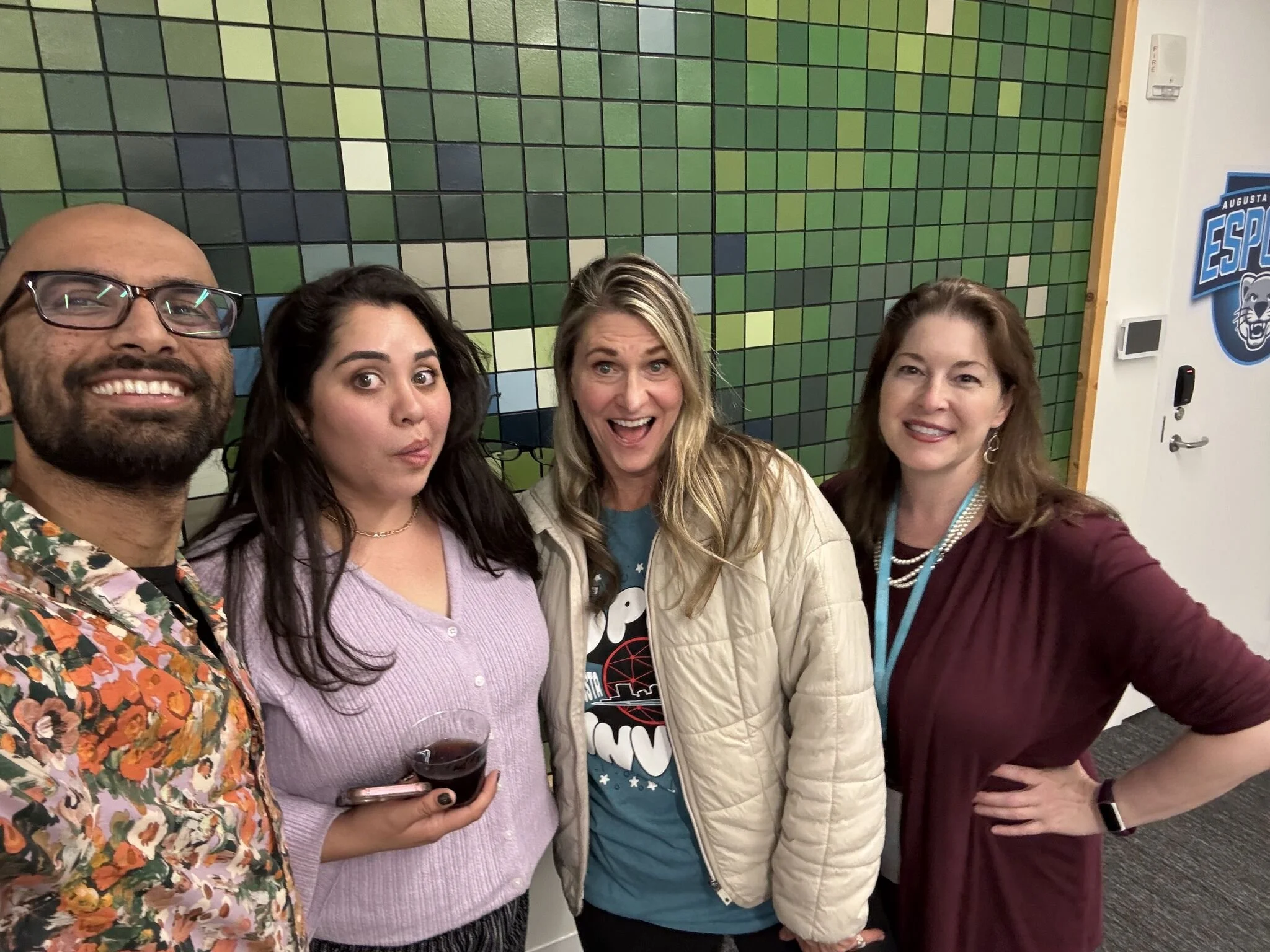
"SCN just really felt like a fit," she said. "And then when I attended the event, I just — I was a hundred percent sold with all of you. It's really neat to be in a space where everyone is so collaborative and talkative and willing to partner and willing to share information in such a way that everyone has the same mission."
As a board member, Kim brings something SCN genuinely needs: a deep, lived knowledge of rural entrepreneurship and the food economy, paired with a systems thinker's instinct for connecting dots across regions.
"Ecosystem building is not just one human running around trying to connect people," she reflected at the end of our conversation. "It's getting out of our own spaces, connecting with others, serving on boards, putting yourself in spaces where you have an opportunity to learn — and where we have an opportunity to gather."
We couldn't agree more. Welcome to the board, Kim.